The Old Marriage Is Dying.
The Old Marriage Is Dying.
Maybe That’s Exactly What We Need.
Something is collapsing.
Divorce rates remain high. Fewer people are marrying. The younger generation is skeptical. Many are opting out entirely.
And perhaps that isn’t a crisis.
Perhaps it’s a correction.
For most of human history, marriage was not about love. It was about survival.
Marriage began as a transaction — a contract between families to consolidate land, protect bloodlines, secure alliances, and divide labor. It organized property, inheritance, and power. Love was optional. Compatibility was practical. Divorce was rare not because marriages were harmonious, but because leaving — especially for women — was economically and socially devastating.
Then industrialization changed everything.
As families moved from farms to cities, the economic function of marriage weakened. In the 20th century, women gained the right to vote, work, own property, access education, and control reproduction. Marriage was no longer required for survival. It became a choice.
And with that choice came a radical new expectation: that one person should meet our emotional, sexual, intellectual, and even spiritual needs.
The pressure became enormous.
Today, roughly 40–45% of first marriages in the United States end in divorce. Second and third marriages dissolve at even higher rates. And divorce statistics don’t capture the couples who stay married but are deeply unhappy. Research consistently shows that around 20–30% of married couples report significant dissatisfaction.
So the younger generation is watching.
Millennials and Gen Z are marrying later than any generation before them — around age 30 for men and 28 for women on average. More than half of adults under 35 are unmarried. Surveys show increasing numbers of young adults questioning whether marriage is necessary for fulfillment at all.
And many single adults report being content. Study after study shows that well-being depends far more on the quality of relationships and sense of purpose than on marital status alone. Being single no longer equals failure.
So yes — the old marriage is dying.
The model built on endurance. Tolerance. Sacrifice. “Stay for the kids.” “Marriage is hard.” “This is just what you do.”
But staying in a chronically unhappy marriage for the children is not noble — it is often toxic.
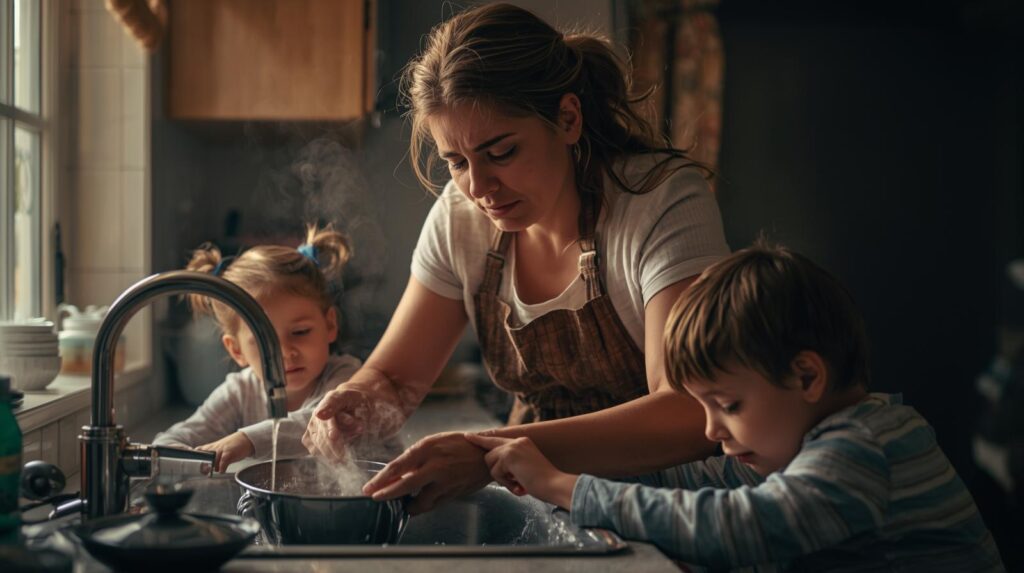
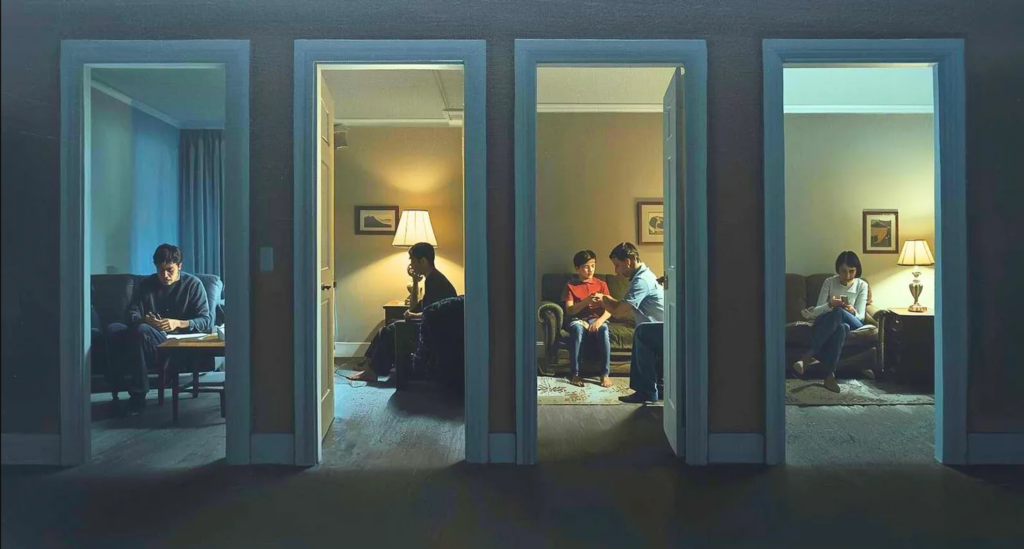
Children do not learn love from promises; they absorb it from atmosphere. Growing up in a home filled with cold detachment, unresolved tension, silent resentment, or open hostility shapes their nervous systems. Research in developmental psychology shows that chronic parental conflict and emotional disconnection are associated with higher rates of anxiety, insecure attachment styles, and difficulty forming stable adult bonds.
Children raised in homes where love feels unsafe often become adults who fear commitment — or cling to it in unhealthy ways. They may equate marriage with entrapment. Or they may over-sacrifice to avoid abandonment. In either case, the model of endurance without intimacy becomes pathology passed down.
The younger generation sees this. They don’t want to repeat it.
And rightly so.
But the pendulum has swung.
Instead of over-enduring, we now over-exit. Conflict tolerance is low. Discomfort is labeled incompatibility. Breakups are framed as “choosing myself” or “protecting my peace.” Commitment can feel like self-betrayal. Many were never taught the skills required for long-term partnership: emotional regulation, repair after rupture, differentiation, and the ability to hold autonomy alongside devotion.
In trying to avoid the prison of unhappy marriage, we may have also lost exposure to the depth of conscious partnership.
Because here’s the deeper truth: our wounds rarely surface in casual relationships. They surface in intimacy.
In a long-term, monogamous bond, abandonment fears, control patterns, defensiveness, jealousy, and unresolved childhood dynamics rise to the surface. That exposure can feel intolerable — or it can become transformative.
Marriage itself is not obsolete.
Unconscious marriage is.
What if marriage were not about economic survival, social performance, or silent endurance?
What if it were a deliberate path of self-actualization?
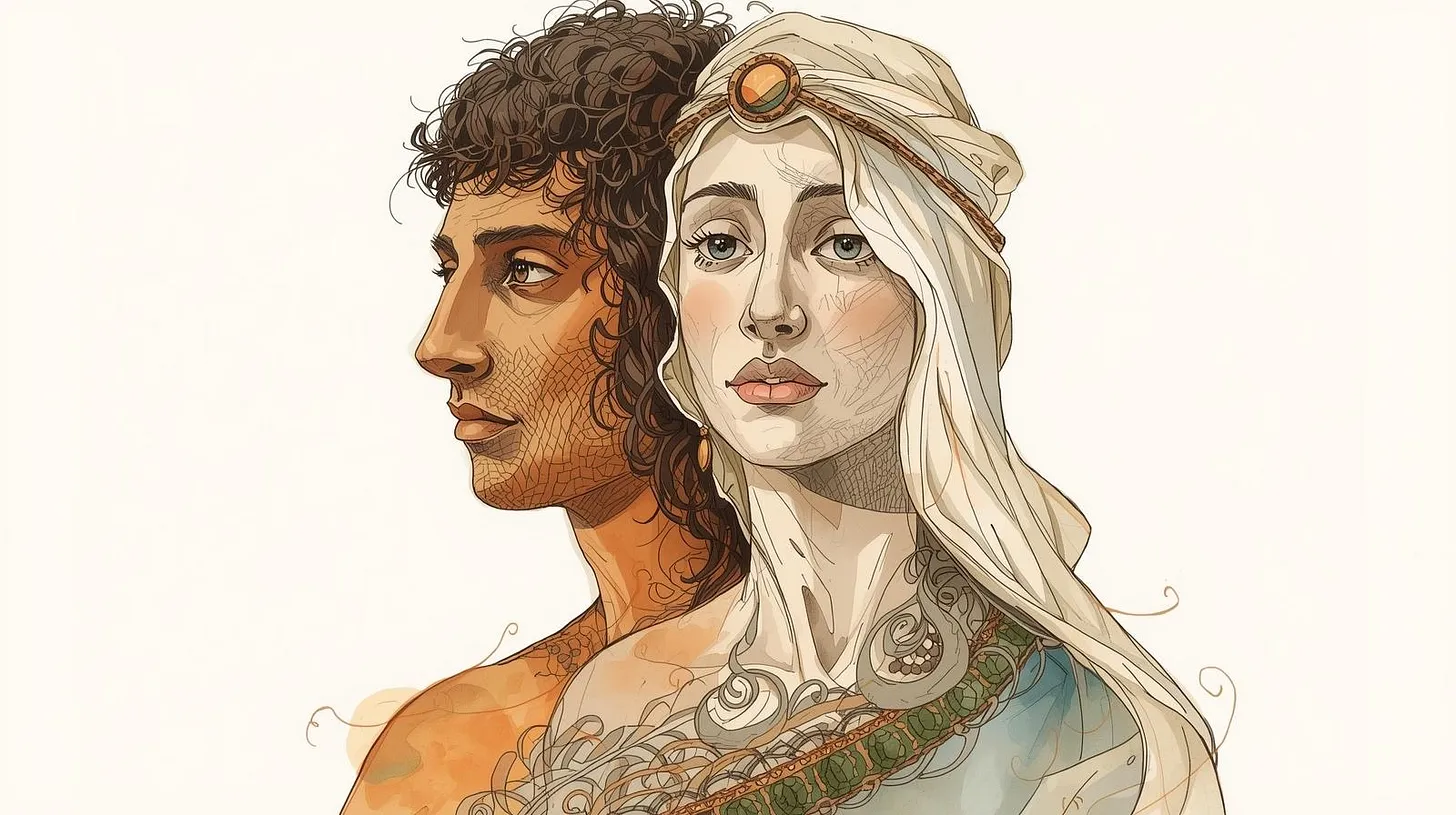
A conscious union where two people commit not only to loving each other, but to growing each other. Where spirituality is defined not as ritual, but as self-knowledge. Where intimacy becomes a mirror for healing. Where conflict is not proof of failure, but an invitation to maturity.
Such marriages are rare.
But they are possible.
They require two adults — not two wounded children seeking rescue. They require emotional literacy, accountability, and the willingness to examine one’s own patterns instead of blaming the other. They require the capacity to tolerate discomfort without fleeing. They require shared values, mutual admiration, sexual polarity, friendship, and a joint commitment to growth. They require choosing the relationship not from fear of loneliness — but from a desire to evolve.
We no longer need marriage to survive or to raise children.
But we may still need intentional, growth-centered partnership to become whole.
The real danger is not that fewer people are marrying.
The danger is that we have not replaced the outdated model with anything wiser.
So before you get married — or before you decide to end your marriage — ask yourself:
Are you staying out of fear?
Are you leaving out of fear?
Or are you willing to do the inner work required for conscious love — and brave enough not to rush into commitment, but to choose (or wait for) a partner who is equally willing to grow, take accountability, and commit to love as a path of shared evolution?
Today, roughly 40–45% of first marriages in the United States end in divorce. Second and third marriages dissolve at even higher rates. And divorce statistics don’t capture the couples who stay married but are deeply unhappy. Research consistently shows that around 20–30% of married couples report significant dissatisfaction.
Sign Up to Receive
Blog Posts & Updates
Thank you!
You have successfully joined our subscriber list.